Table of Contents
- What Bespoke Cabin Interior Transformations Offer
- Unmatched Personalization and Tailored Design
- Modernizing Rustic Cabin Interiors Without Losing Character
- Functionality and Ergonomic Considerations in Compact Spaces
- Cabin Interior Design ROI and Property Value Impact
- Cost of Custom Cabin Renovations and Long-Term Value
- Maintenance and Longevity of Bespoke Materials
- The Bespoke Design Process and Timeline
Last Updated: August 8, 2026
What Bespoke Cabin Interior Transformations Offer
Bespoke cabin interior transformations create custom environments tailored to your specific lifestyle, architectural constraints, and aesthetic vision. Unlike standard renovations applying generic solutions, bespoke design begins with your actual needs rather than predetermined catalogs. Custom cabinetry fits your exact storage requirements, tailored furniture complements your space perfectly, and architectural detailing enhances existing character.
The advantage extends beyond appearance. Bespoke solutions address inefficiencies of mass-produced alternatives. A standard cabin renovation wastes 15-20% of usable space through poor layout planning. Bespoke design optimizes every square foot, with custom cabinetry fitting precisely where generic units leave awkward gaps.
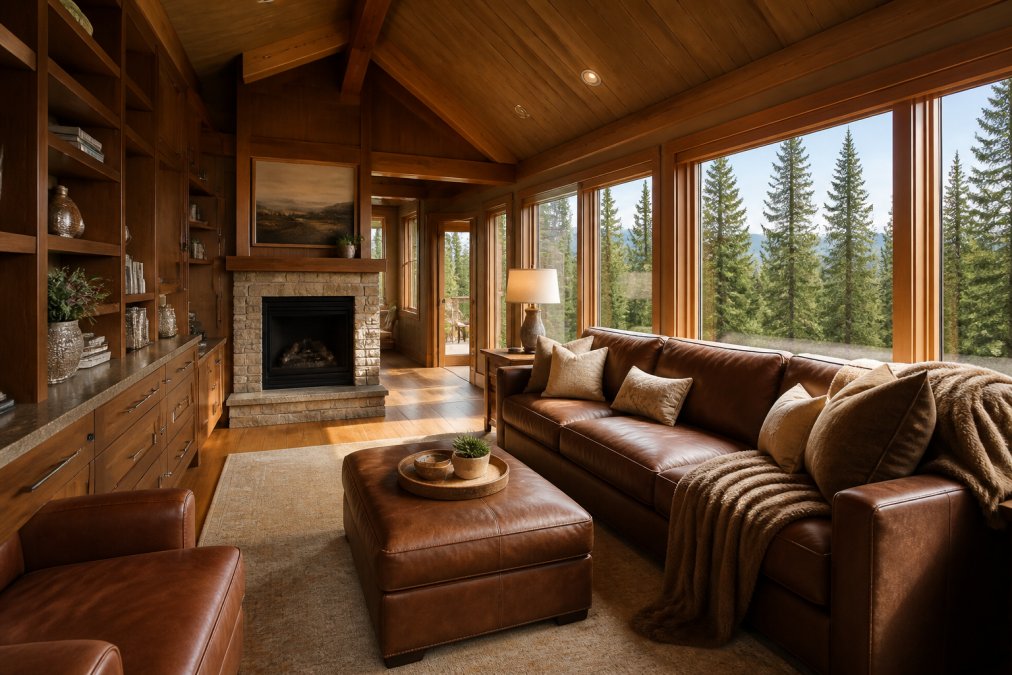
The investment pays dividends across multiple dimensions: enhanced functionality, increased property value, improved aesthetics, and genuine personalization. At 305 Sky, we understand that premium spaces demand precision, whether upgrading an aircraft cabin or mountain retreat, every detail should reflect intentional design rather than off-the-shelf compromise.
Unmatched Personalization and Tailored Design
True personalization means moving beyond color schemes to create spaces aligned with your actual lifestyle and preferences. A cabin owner hosting large gatherings needs different spatial organization than someone seeking solitude. A collector requires display solutions tailored to specific objects. A remote worker needs different functional considerations than someone using the cabin purely for recreation. Bespoke design captures these distinctions through custom cabinetry and architectural solutions that generic renovations cannot address.
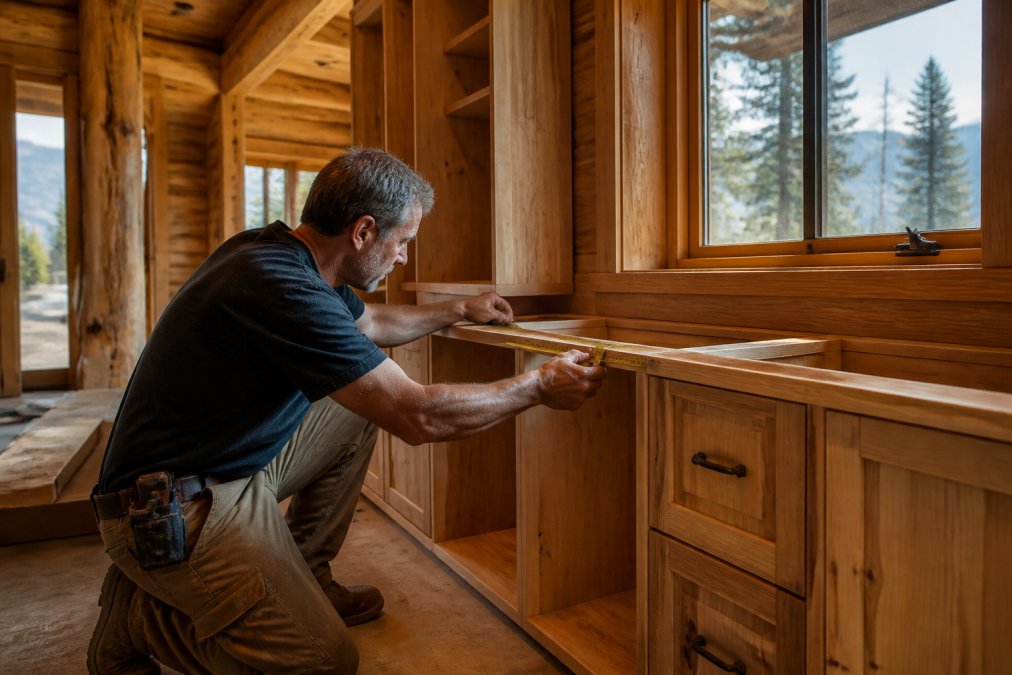
The personalization process involves detailed consultation about your actual usage patterns. How do you move through the space? What activities matter most? These conversations inform every design decision, producing measurable functional improvements. Custom cabinetry places frequently used items at optimal heights. Tailored furniture arrangements create natural traffic flow. Architectural detailing reinforces your aesthetic preferences while maintaining structural integrity.
Your bespoke cabin interior is genuinely unique, the custom cabinetry, tailored furniture, and architectural detailing exist nowhere else. This exclusivity carries both aesthetic and practical value, reflecting your identity rather than conforming to mass-market standards.
Modernizing Rustic Cabin Interiors Without Losing Character
The challenge lies in achieving contemporary functionality without sacrificing the authentic character that makes rustic cabins appealing. Bespoke design navigates this tension through intentional integration rather than replacement. Custom cabinetry in wood species and finishes complementing existing timber creates coherence. Contemporary systems can be integrated invisibly through thoughtful architectural detailing.
This approach requires genuine expertise. A designer must understand both original cabin construction and contemporary building standards, recognizing which elements define character and which can be upgraded. Original log walls gain new life when paired with modern insulation installed behind bespoke interior paneling maintaining visual aesthetics. Stone fireplaces become focal points when surrounding cabinetry respects their proportions. Historic timber beams remain visible while contemporary HVAC systems operate invisibly.
The modernizing process also addresses hidden inefficiencies. Many older cabins suffer from poor insulation, inadequate electrical capacity, or outdated plumbing. Bespoke design solutions conceal these upgrades within custom cabinetry and architectural detailing, creating spaces that look historically coherent while functioning with contemporary reliability.
Functionality and Ergonomic Considerations in Compact Spaces
Cabin interiors typically work within spatial constraints demanding functional precision. A bedroom measuring 12x14 feet or a kitchen in minimal square footage requires ergonomic design and spatial optimization. Bespoke solutions address these constraints through custom cabinetry and tailored furniture specifically designed for your actual dimensions.
A standard bed frame might leave awkward gaps; a bespoke design incorporates storage beneath and integrated side tables. Generic kitchen layouts waste counter space; custom cabinetry utilizes every inch while maintaining proper workflow. Ergonomic considerations ensure reaching frequently used items requires minimal effort, work surfaces sit at heights preventing repetitive strain, and storage organizes by frequency of use.
Compact spaces benefit from multi-functional design. A bespoke bench seat incorporates storage beneath and serves as both seating and sleeping surface. Custom cabinetry provides display, storage, and structural support simultaneously. Proper lighting eliminates shadows, climate control systems integrate invisibly, and acoustic considerations create peaceful environments. These details emerge from bespoke design processes treating functionality as fundamental.
Cabin Interior Design ROI and Property Value Impact
Bespoke cabin interior transformations generate returns through multiple mechanisms. Well-executed bespoke design increases market appeal and justifies premium pricing. Buyers recognize quality craftsmanship and custom solutions, paying accordingly.
The ROI calculation extends beyond immediate sale value. A cabin with superior bespoke design attracts higher-quality renters if you operate short-term rentals, commanding 15-25% higher nightly rates than comparable standard renovations. Functional improvements reduce maintenance and operational costs, custom cabinetry built with premium materials requires less frequent repair, and bespoke design optimizing space efficiency reduces heating and cooling costs.
Personal enjoyment carries genuine economic value. A cabin functioning perfectly and reflecting your aesthetic preferences increases usage frequency, generating returns that unused premium real estate cannot match. Long-term appreciation also favors bespoke design, custom cabinetry and tailored furniture gain character over time, while original architectural detailing becomes increasingly distinctive as mass-market trends cycle.
Cost of Custom Cabin Renovations and Long-Term Value
The cost of custom cabin renovations varies based on scope, materials, and complexity. What distinguishes bespoke costs from standard renovations is the value delivered per dollar spent. A generic kitchen renovation might cost $25,000 and produce a functional but unremarkable space. A bespoke kitchen design at similar cost creates a custom environment optimized for your specific needs.
The cost reflects materials and craftsmanship quality. Premium wood species, high-end hardware, and skilled labor command appropriate compensation. A $15,000 bespoke renovation lasting 20 years costs $750 annually. A $8,000 standard renovation requiring replacement in 8 years costs $1,000 annually. The initial investment appears higher; the actual cost of ownership favors bespoke solutions.
Maintenance and Longevity of Bespoke Materials
Premium wood species, high-quality finishes, and proper construction techniques compound value over years and decades. A bespoke cabinet built from quarter-sawn white oak with hand-applied finishes requires different maintenance than mass-produced plywood alternatives, but the investment pays dividends through longevity.
Custom cabinetry built with solid wood joinery withstands decades of use. Mass-produced alternatives using particle board typically fail within 5-10 years. The initial cost difference becomes irrelevant comparing a 30-year lifespan to a 7-year failure cycle. Environmental considerations also favor bespoke solutions, a custom piece lasting 30+ years generates far lower waste than mass-produced alternatives replaced every 5-7 years.
Quality finishes develop character over time. Solid wood naturally shifts, creating authentic patina. Architectural detailing becomes more distinctive as contemporary trends cycle. These aging patterns enhance rather than diminish value, creating spaces that improve with time.
The Bespoke Design Process and Timeline
Understanding the bespoke design process clarifies why quality solutions require time and expertise. Initial consultation establishes your vision, constraints, and priorities, typically spanning 2-4 weeks with detailed conversations about space usage and aesthetic preferences. Design development translates insights into specific solutions, requiring 4-8 weeks as multiple iterations refine the design.
Specification and sourcing identifies exact materials, finishes, and components at detailed levels, spanning 2-4 weeks. Fabrication and construction execute design specifications, with skilled craftspeople working deliberately rather than quickly. Installation and finishing complete the transformation, with the entire process from initial consultation to project completion typically spanning 4-6 months for comprehensive cabin interior transformations.
This timeline reflects the distinction between adaptation and creation. Standard renovations apply existing solutions to your space. Bespoke design creates custom solutions for your specific requirements. The time investment produces results that mass-produced alternatives cannot match.
The decision to invest in bespoke cabin interior transformations reflects how you value your living environment. A cabin represents far more than shelter, it's a retreat, an investment, and an expression of your preferences. Standard renovations treat cabins as generic spaces. Bespoke design recognizes that your cabin deserves customization as distinctive as you are.
305 Sky brings this same commitment to precision and personalization to aircraft cabin transformations. Whether upgrading a mountain retreat or enhancing your private aircraft interior, the principle remains constant: premium spaces demand bespoke solutions. Our team delivers custom cabinetry, tailored design elements, and architectural detailing that transform functional spaces into environments reflecting your specific vision. Get a quote today and discover how bespoke design elevates your cabin experience.
Frequently Asked Questions
Is bespoke cabin interior design worth the investment?
Yes, bespoke cabin interior transformations deliver measurable returns. Custom cabinetry and tailored furniture maximize usable space in compact layouts, while high-end craftsmanship and premium materials increase property value significantly. The personalization ensures your cabin reflects your lifestyle, and superior durability means your investment lasts decades. Unlike mass-produced alternatives, bespoke solutions solve specific spatial and aesthetic challenges unique to your cabin.
How does bespoke interior design impact cabin resale value?
Bespoke cabin interiors substantially increase property appreciation. Potential buyers recognize the quality of custom cabinetry, architectural detailing, and premium finishes as markers of a well-maintained, luxury property. Homes with professional bespoke interior transformations command higher asking prices and sell faster. The investment typically recovers 60-80% of costs at resale, with luxury cabins seeing even greater returns due to the exclusivity and personalization buyers seek.
What's the difference between stock cabin renovations and bespoke transformations?
Stock renovations use off-the-shelf materials and standard layouts that don't adapt to your cabin's unique dimensions or your personal needs. Bespoke transformations feature custom cabinetry, tailored furniture, and architectural detailing designed specifically for your space. Bespoke solutions maximize every inch, incorporate your aesthetic preferences, use premium materials selected for durability, and create one-of-a-kind interiors. While bespoke requires more time and planning, the result is a cabin that functions flawlessly and reflects your lifestyle.
How do you modernize a log cabin interior without losing its rustic charm?
Successful modernization blends contemporary functionality with authentic rustic character. Preserve original log walls and architectural details while introducing bespoke millwork in complementary finishes. Integrate modern ergonomic design into custom cabinetry, add updated lighting and smart home technology, and select premium materials that echo natural textures. Professional bespoke craftsmanship ensures new elements harmonize with the cabin's heritage. This approach delivers timeless aesthetic appeal while improving comfort and usability.
This article was written using GrandRanker