Table of Contents
- What Is an Aircraft Pre-Buy Inspection?
- Pre-Buy vs. Annual Inspection: Key Differences
- Scope of the Physical Inspection
- Reviewing Logbooks and Maintenance Records
- How Long Does an Aircraft Pre-Buy Inspection Take?
- Aircraft Pre-Buy Inspection Checklist
- Aircraft Pre-Buy Inspection Cost and Purchase Agreement Contingencies
- The Inspector's Role vs. Your Role as Buyer
Last Updated: August 11, 2026
What Is an Aircraft Pre-Buy Inspection?
An aircraft pre-buy inspection is a comprehensive evaluation of an aircraft's airworthiness, mechanical condition, and maintenance history before purchase. This detailed examination protects buyers from inheriting costly hidden problems and ensures the aircraft meets regulatory standards for safe operation.
The inspection examines the airframe, engine systems, avionics, control surfaces, and structural integrity while cross-referencing maintenance logbooks, service bulletins, and airworthiness directives. The goal is to identify deferred maintenance, corrosion, damage history, and any mechanical issues that could affect safety or resale value.
At 305 Sky, we provide pre-buy inspections across South Florida. An inspection can be a small insurance policy against major repairs or safety concerns down the road.
Pre-Buy vs. Annual Inspection: Key Differences
Many aircraft owners confuse a pre-buy inspection with an annual inspection, but they serve entirely different purposes.
An annual inspection is a regulatory requirement performed every 12 months to maintain the aircraft's airworthiness certificate. A certified mechanic checks systems, fluid levels, and general condition, a baseline compliance check.
A pre-buy inspection is a deep-dive diagnostic performed specifically for a potential buyer. It's far more thorough than an annual and focuses on identifying defects, maintenance shortcuts, or structural problems that could affect the purchase decision. While an annual verifies the aircraft is airworthy now, a pre-buy assesses its true condition and long-term viability.
The pre-buy includes a detailed review of the aircraft's complete maintenance history, examining logbook entries, service bulletins, supplemental type certificates (STCs), and airworthiness directives. An annual inspection doesn't typically involve this level of historical analysis.
A pre-buy can also be customized based on the aircraft model, age, and the buyer's specific concerns. If you're buying a vintage taildragger with known corrosion issues in humid climates, the inspector can focus extra attention on structural integrity and hidden rust.
Scope of the Physical Inspection
The physical inspection component covers every major system and structure. A comprehensive evaluation typically takes 8-16 hours, depending on aircraft size and complexity.
Airframe and Structural Integrity
The inspector examines the fuselage, wings, tail surfaces, and landing gear for damage, corrosion, and structural soundness, including rivets, welds, and fasteners for signs of stress or cracking.
Corrosion is a major concern, especially for aircraft operated in salt-air environments like South Florida. The inspector looks for white, green, or gray oxidation on aluminum surfaces and checks for pitting that could compromise structural integrity.
The landing gear receives particular scrutiny. The inspector checks for proper extension and retraction, examines tires for wear and damage, verifies brake function, and looks for leaks in hydraulic lines.
Engine and Propulsion Systems
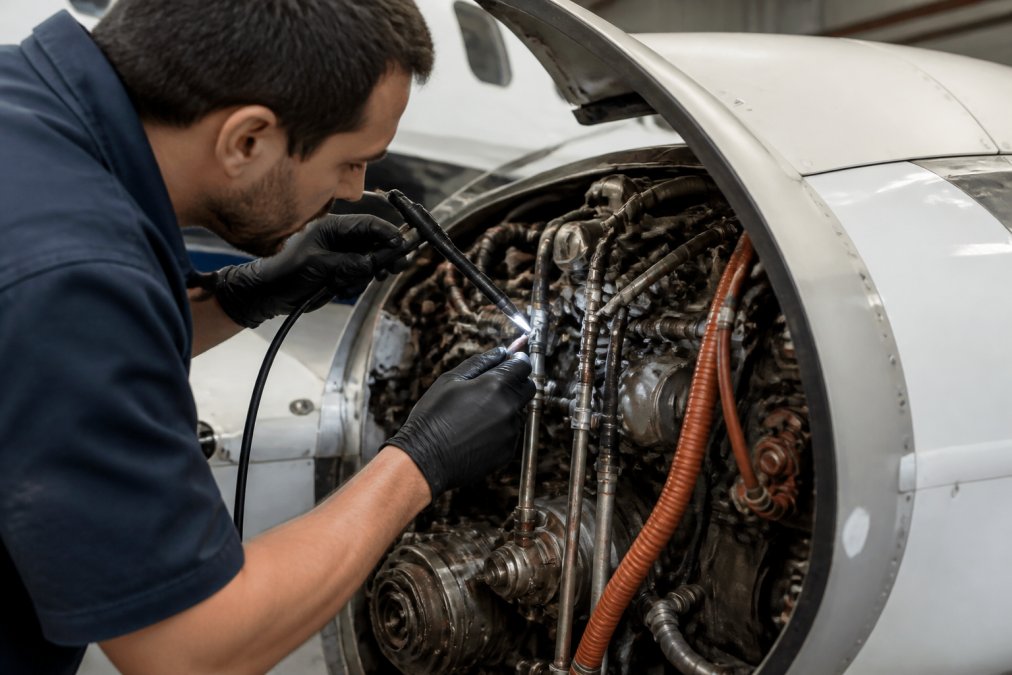
The engine inspection includes a compression test on each cylinder to check for wear, valve seating issues, or piston ring problems. Compression readings below manufacturer specifications suggest the engine is nearing overhaul.
A borescope inspection allows visual examination of cylinder interiors without disassembly, revealing carbon buildup, valve condition, and any signs of damage. The inspector also checks oil analysis reports, which provide a chemical snapshot of engine wear metals and contamination.
The propeller is checked for cracks, corrosion, and proper blade tracking. Any history of a propeller strike requires investigation.
Fuel system integrity is critical. The inspector verifies fuel tank seals, checks for contamination or water, and ensures fuel lines are secure and leak-free.
Avionics and Control Systems
The avionics suite is evaluated for functionality, age, and upgrade potential. The inspector verifies all instruments operate correctly and identifies any missing systems required for the buyer's intended use.
Control systems, ailerons, elevators, rudder, flaps, are checked for proper operation, cable tension, and wear.
Reviewing Logbooks and Maintenance Records
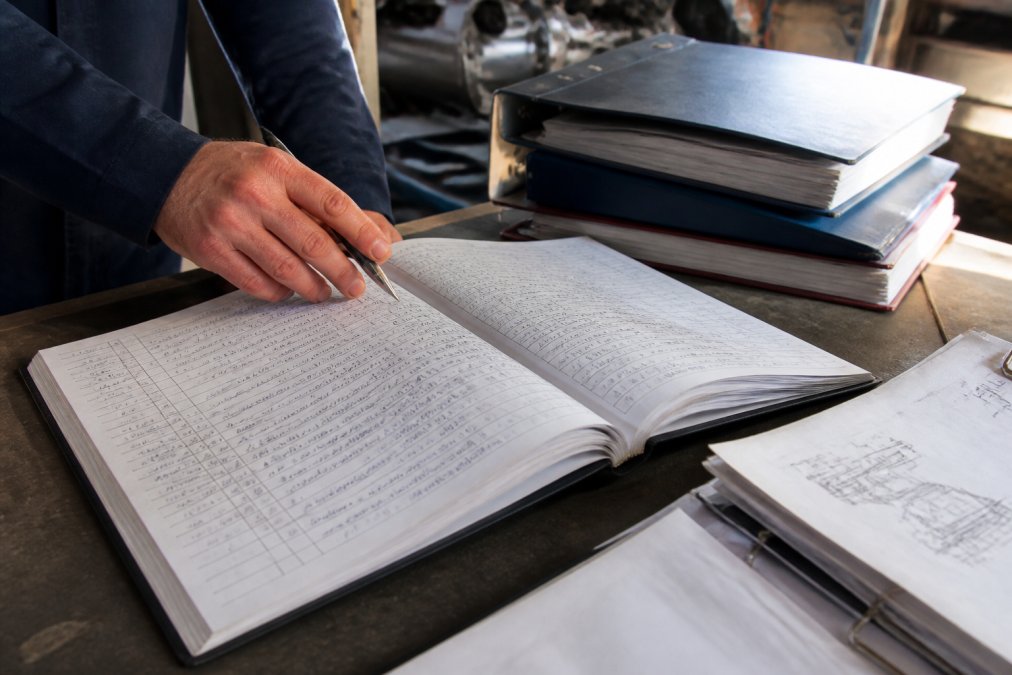
The aircraft logbook documents every flight, maintenance action, repair, and inspection. A thorough review reveals maintenance patterns, recurring issues, and the owner's commitment to proper care.
The inspector examines entries for completeness and accuracy. Gaps in logbook entries, illegible handwriting, or missing signatures raise red flags. Logbooks should show consistent maintenance intervals and documented compliance with airworthiness directives and service bulletins.
Service bulletins (SBs) are manufacturer recommendations for maintenance or modifications. Airworthiness directives (ADs) are mandatory safety requirements. The inspector verifies that all applicable ADs have been completed and documented. Incomplete AD compliance is a serious issue that must be resolved before purchase.
The inspector also notes the time since major overhaul (TSMOH) for the engine and major components. An engine approaching TBO (time between overhaul) may require significant expense soon.
How Long Does an Aircraft Pre-Buy Inspection Take?
A typical inspection for a single-engine aircraft takes 10-16 hours. Twin-engine aircraft often require 16-24 hours. Complex aircraft with advanced avionics may take 20-30 hours or more.
Most inspectors schedule work across two to three days to allow thorough evaluation without fatigue-driven oversights. If the initial inspection uncovers concerns, additional time may be needed for detailed investigation, such as borescope inspections, fluid analysis, or non-destructive testing.
Aircraft Pre-Buy Inspection Checklist
A comprehensive aircraft pre-buy inspection checklist ensures nothing is overlooked:
Exterior and Structural:
- Fuselage for dents, cracks, corrosion, or improper repairs
- Wings and control surfaces for damage and proper alignment
- Tail surfaces for structural integrity and control movement
- Landing gear for wear, proper operation, and brake condition
- Tires for wear, cracks, and proper inflation
- Windows and windscreen for cracks or deterioration
- Antennas and external components for damage
Engine and Propulsion:
- Compression test on each cylinder
- Engine borescope inspection
- Oil analysis for wear metals and contamination
- Fuel system integrity and contamination
- Propeller condition and track alignment
- Engine mounts and vibration isolation
- Hoses and fluid lines for leaks or deterioration
Avionics and Electrical:
- All instruments for proper operation
- Navigation and communication systems
- Autopilot functionality
- Electrical system capacity and battery condition
- Alternator or generator output
- Wiring for damage, corrosion, or improper installation
Interior and Cabin:
- Seats and restraints for wear and safety
- Cabin pressurization system (if equipped)
- Heating and cooling systems
- Interior panels for water damage or deterioration
- Emergency equipment and life vests
Documentation:
- Complete and legible logbooks
- Compliance with all applicable airworthiness directives
- Service bulletins and compliance records
- Maintenance records and receipts
- Previous inspection reports
- Title and registration documentation
Critical Red Flags and Damage History
A history of accidents or damage, even if repaired, can affect structural integrity and insurance. The inspector investigates damage history thoroughly.
Corrosion in critical areas like the fuselage or wing spars is a major red flag. Deep pitting or structural corrosion may require expensive repair or replacement of components.
Engine problems discovered during borescope inspection, such as scoring, pitting, or valve damage, suggest the engine is nearing the end of its service life. An overhaul costs $15,000 to $40,000 or more.
Incomplete airworthiness directive compliance is non-negotiable. Mandatory safety directives must be completed before the aircraft can be legally flown.
Deferred maintenance, work that should have been done but wasn't, is common in older aircraft. The inspector identifies deferred items and estimates repair costs, which you can use to negotiate repairs before closing or request a price reduction.
Aircraft Pre-Buy Inspection Cost and Purchase Agreement Contingencies
The cost of an aircraft pre-buy inspection varies based on aircraft complexity and inspector experience. Expect to invest $1,500 to $3,500 for a thorough inspection.
At 305 Sky, we provide transparent pricing and detailed reporting. Our inspectors have over 55 years of combined aviation experience and deliver comprehensive findings that give you the confidence to proceed or the data to renegotiate terms.
Structuring Your Sales Agreement
The purchase agreement should include clear contingencies for the pre-buy inspection. A properly structured agreement protects you from being locked into a purchase if the inspection reveals unacceptable problems.
Standard contingency language should allow you to conduct a pre-buy inspection at your expense, receive inspection results and supporting documentation, request repairs or price reductions based on findings, and walk away from the purchase if major issues are discovered.
Define what constitutes a "major issue" in your agreement. This might include engine overhaul requirement, major structural damage, or incomplete airworthiness directive compliance.
Escrow and Title Search Protections
Use an escrow service to hold funds during the transaction. The escrow agent releases payment only after all contingencies are satisfied and the title transfer is complete.
A title search verifies the aircraft's legal ownership and confirms no liens or claims exist against the aircraft. Verify title clearance before closing.
The Inspector's Role vs. Your Role as Buyer
The inspector's role is to provide an objective, detailed assessment of the aircraft's condition, documenting findings with photographs and measurements and estimating repair costs. The inspector does not make the purchase decision, that's your responsibility.
Your role as the buyer is to interpret the inspection findings and decide whether to proceed. You'll weigh the results against your budget, intended use, and risk tolerance.
The inspector may recommend further investigation for specific concerns. After the inspection, you have leverage to negotiate. You can request the seller complete repairs, offer a reduced price to offset future repair costs, or request an extended warranty or escrow holdback.
The inspector is your advocate and technical advisor, but the purchase decision belongs to you. Ask questions, understand the findings, and don't proceed unless you're comfortable with the aircraft's condition and the terms of the sale.
Buying an aircraft is one of the largest investments you'll make in aviation. A thorough pre-buy inspection is your insurance policy against hidden problems and unexpected expenses. 305 Sky provides comprehensive pre-buy inspection services with transparent reporting and expert guidance. Our team brings decades of aviation experience to every inspection, delivering the detailed findings you need to make a confident purchase decision.
FAA guidance on aircraft maintenance and airworthiness requires compliance with all applicable directives before flight. Aircraft Owners and Pilots Association resources on pre-purchase inspections provide additional guidance for buyers navigating the purchase process. For specific aircraft models, manufacturer maintenance manuals and service bulletins define required maintenance intervals and inspection procedures.
Get a quote from 305 Sky today for a comprehensive pre-buy inspection. Our 24/7 team is ready to help you evaluate any aircraft and provide the expert assessment you need for a successful purchase.
Frequently Asked Questions
What is the difference between an annual inspection and a pre-buy inspection?
An annual inspection is a mandatory regulatory requirement performed once per calendar year to ensure an aircraft remains airworthy and compliant with FAA standards. A pre-buy inspection is a comprehensive, one-time evaluation conducted before you purchase an aircraft. While both examine the airframe, engine, and systems, a pre-buy inspection goes deeper into damage history, corrosion, maintenance records, and total time (TT) and time since major overhaul (TSMOH) to reveal the aircraft's true condition and identify costly repairs you may inherit.
Who pays for an aircraft pre-buy inspection?
The buyer typically pays for the pre-buy inspection, though this can be negotiated in the purchase agreement. Some buyers request the seller contribute to the cost as a condition of sale, especially if the aircraft has known issues. The cost depends on aircraft type, complexity, and whether additional testing like engine borescope exams or non-destructive testing is needed. Get a quote based on your specific aircraft model and inspection scope.
What are the most common issues found during a pre-buy inspection?
Common findings include deferred maintenance, corrosion on the fuselage or control surfaces, fluid leaks in engines or hydraulic systems, worn avionics, and propeller damage or strike history. Many aircraft also show discrepancies between logbook entries and actual component condition. Airworthiness Directives (ADs) and Service Bulletins (SBs) that haven't been addressed are red flags. Engine compression issues and high time engines near major overhaul thresholds frequently require negotiation or price adjustment.
What happens if an aircraft fails a pre-buy inspection?
An aircraft doesn't technically 'fail,' but the inspection may reveal significant issues. You then have three options: renegotiate the purchase price to offset repair costs, request the seller complete repairs before closing, or walk away from the deal. This is why including inspection contingencies in your sales agreement is critical. A professional pre-buy inspection protects you by identifying problems before you're legally bound to the purchase.
How long does an aircraft pre-buy inspection take?
A thorough pre-buy inspection typically takes 1 to 3 days, depending on aircraft size, complexity, and condition. A simple single-engine aircraft may take 8 to 16 hours of inspection time, while a twin-engine or pressurized aircraft can take 20 to 40+ hours. If additional testing like engine borescope exams, compression tests, or non-destructive testing is required, add 1 to 2 extra days. Your inspector will provide a timeline estimate based on your specific aircraft model.
Should the seller be present during a pre-buy inspection?
It's best practice for the seller to be present or available to answer questions about maintenance history, any known issues, and recent repairs. However, the inspection is for the buyer's protection, so your inspector may also want to examine the aircraft without the seller present to avoid bias or pressure. Many inspections involve both: the inspector reviews systems and logbooks independently, then discusses findings with the seller to clarify discrepancies or get context on repairs.
What should I include in my aircraft purchase agreement to protect myself?
Your sales agreement should include an inspection contingency clause that allows you to back out or renegotiate if the pre-buy inspection reveals significant issues. Specify that the inspection is at your expense and that you have the right to choose your inspector. Include provisions for escrow (holding funds until closing), a title search to confirm clean ownership, and a list of specific Airworthiness Directives (ADs) and Service Bulletins (SBs) that must be current. Clearly define what items the seller is responsible for before delivery (like required AD compliance or avionics repairs).
What does an aircraft pre-buy inspection cost?
Pre-buy inspection costs vary based on aircraft type, size, and inspection depth. A basic inspection of a simple single-engine aircraft may cost less than a complex twin-engine or pressurized aircraft. Additional testing like engine borescope exams, compression tests, or non-destructive testing adds to the total. For a detailed cost estimate tailored to your specific aircraft, contact a qualified inspector or maintenance facility. Investing in a thorough pre-buy inspection now prevents far costlier surprises after purchase.
This article was written using GrandRanker