Table of Contents
- Understanding Your Private Jet Maintenance Schedule Guide
- Types of Aircraft Inspections: A, B, C, and D Checks Explained
- FAA Private Jet Maintenance Regulations and Compliance
- Building Your Private Jet Maintenance Checklist
- Cost of Private Jet Maintenance: Planning Your Budget
- Digital Maintenance Tracking and Aircraft Age Considerations
- Maintenance Impact on Resale Value and Structural Integrity
- Implementing Your Maintenance Schedule: Best Practices
Private Jet Maintenance Schedule Guide: A 2026 Roadmap
Last Updated: July 24, 2026
Understanding Your Private Jet Maintenance Schedule Guide
A private jet maintenance schedule guide is your roadmap to keeping an aircraft airworthy, compliant, and in peak operational condition. At 305 Sky, we've spent over 55 years working with aircraft owners across South Florida, and one consistent truth emerges: the difference between a well-maintained aircraft and a problem-prone one comes down to discipline around scheduled inspections and preventative maintenance.
An unplanned maintenance event can ground your aircraft for weeks, cost tens of thousands of dollars, and create cascading problems far beyond the initial failure. A solid maintenance schedule prevents that chaos entirely. This guide covers everything you need to build and execute a maintenance schedule that keeps your aircraft safe, compliant with FAA regulations, and ready to fly whenever you need it.
Why Schedule Matters: Airworthiness and Asset Longevity
Maintenance schedules exist because aircraft deteriorate over time, and deterioration creates risk. Metal fatigues, seals wear out, avionics drift out of calibration, and systems that worked perfectly last month may fail unexpectedly next month without proper oversight.
The FAA mandates maintenance schedules because decades of accident investigation data show that unscheduled maintenance failures are a leading cause of in-flight emergencies. A cracked engine mount, a failed hydraulic line, or degraded avionics can turn a routine flight into a life-or-death situation within seconds.
Beyond safety, there's the asset longevity angle. A private jet is one of the largest capital investments an owner makes. An aircraft's value is heavily influenced by its maintenance history. Buyers scrutinize logbooks, and an aircraft with pristine maintenance records commands a premium at resale.
Preventative maintenance also reduces total cost of ownership. A $500 inspection that catches a developing problem early prevents a $50,000 emergency repair later.
Types of Aircraft Inspections: A, B, C, and D Checks Explained
Aircraft inspections are categorized by scope and depth. The FAA doesn't prescribe exact inspection intervals for all aircraft; that responsibility falls to manufacturers, who publish inspection requirements in their maintenance manuals. The industry has standardized around four inspection levels: A, B, C, and D checks.
A-Check: The Foundation of Routine Service
An A-check is the most frequent and least intensive inspection, typically occurring every 100 flight hours or every 30 calendar days, whichever comes first. It includes visual inspection of the exterior, a walk-around to check for obvious damage or leaks, inspection of fluid levels, testing of lights and systems, and a review of the aircraft logbook. An A-check might take 1-2 hours and is often performed by a certified technician. It's your first line of defense, catching obvious problems before they escalate.
B-Check: Deeper Inspection and Component Testing
A B-check is more thorough than an A-check, typically occurring every 400 flight hours or every 12 months. This inspection includes everything in an A-check, plus detailed system testing: avionics suite testing, engine oil analysis to check for metal particles or contamination, brake assemblies and landing gear inspection, emergency equipment testing, and a detailed walk-around looking for corrosion, cracks, or structural issues. A B-check usually takes 4-8 hours and is the sweet spot between thoroughness and operational convenience for many operators.
C-Check: Major Structural and System Review
A C-check is a major inspection occurring every 1,500-2,000 flight hours or every 24 months. Technicians perform detailed structural inspection of the airframe looking for corrosion and fatigue cracks, remove and inspect landing gear components, test all hydraulic systems under load, perform comprehensive avionics inspection, check the engine using borescope inspection, and review all service bulletins for compliance. A C-check can take 40-80 hours depending on the aircraft and typically costs several tens of thousands of dollars.
D-Check: Comprehensive Airframe Overhaul
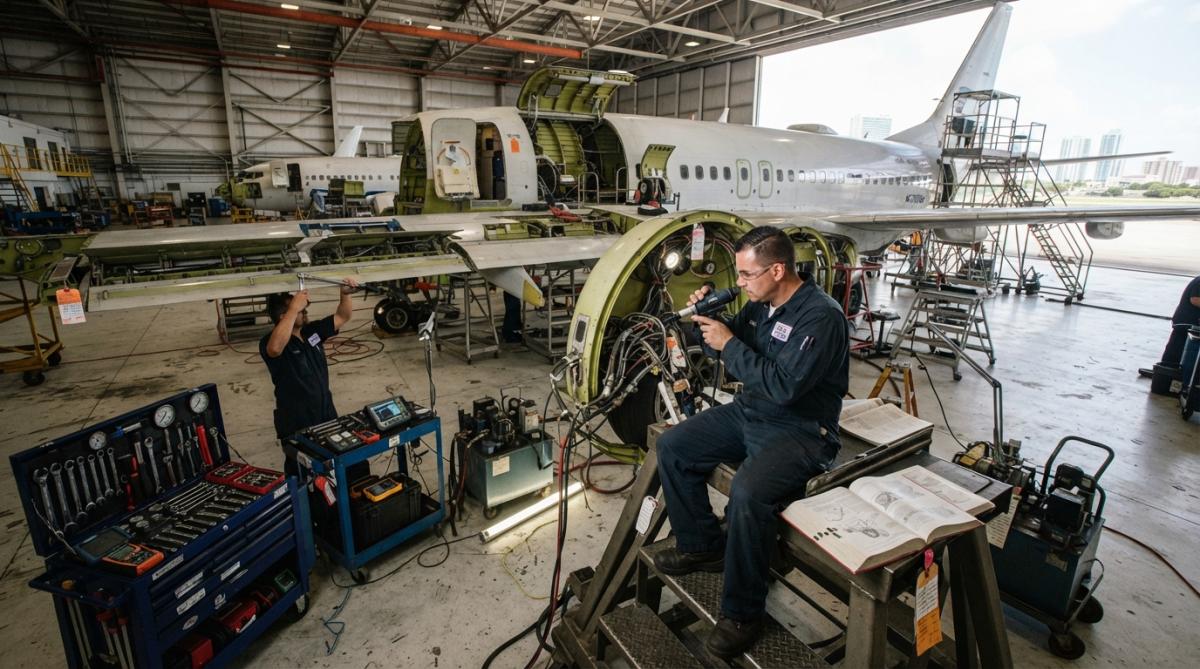
A D-check is the most intensive inspection, occurring every 4,000-6,000 flight hours or every 6-10 years. The aircraft is essentially disassembled for inspection. Panels are removed to expose hidden structure, the engine may be removed for detailed inspection or overhaul, and all systems are tested to their limits. A D-check can take 1,000+ hours of labor and cost several hundred thousand dollars, but it's a comprehensive restoration that ensures the aircraft meets like-new standards for airworthiness.
FAA Private Jet Maintenance Regulations and Compliance
The FAA requires that aircraft be maintained according to the manufacturer's published maintenance program. Every aircraft comes with a maintenance manual specifying inspection intervals, required components, and maintenance procedures. For Part 91 operators (private owners), the rules are more flexible than for commercial operators, but you must still maintain your aircraft in an airworthy condition and follow the manufacturer's guidance.
Airworthiness Directives and Service Bulletins
An airworthiness directive (AD) is an FAA mandate. When the FAA identifies a safety issue affecting a specific aircraft type or component, they issue an AD requiring operators to take corrective action by a specific deadline. You cannot ignore an AD. Service bulletins are manufacturer recommendations for inspection or maintenance, but not FAA mandates. However, many service bulletins address safety issues, and smart operators implement them proactively.
Certified Technician Requirements and Documentation
Maintenance work on your aircraft must be performed by a certified technician. An airframe and powerplant (A&P) mechanic holds an FAA certificate requiring extensive training and testing. All maintenance work must be documented in the aircraft's logbook with the date, work performed, parts used, and the technician's signature and certificate number.
Building Your Private Jet Maintenance Checklist
A maintenance checklist is your operational tool. While the manufacturer's manual specifies what needs to be inspected, a checklist ensures nothing gets missed during routine maintenance.
Pre-Flight and Routine Inspection Items
Every flight should be preceded by a pre-flight inspection. This is a safety check performed by the pilot or crew before every flight, typically taking 15-30 minutes. It covers exterior walk-around for obvious damage or leaks, fuel quantity and quality verification, oil quantity and condition, hydraulic fluid levels, tire condition, control surface movement, light operation, and interior systems verification.
Engine Oil Analysis and Avionics Testing
Engine oil analysis is a powerful diagnostic tool. A small sample of engine oil is sent to a laboratory for analysis checking for metal particles (indicating internal engine wear), fuel contamination, water content, and viscosity. Regular oil analysis can detect developing engine problems months before they become critical. Most operators perform oil analysis every 50 flight hours or every 6 months at minimal cost.
Avionics testing includes ILS approach testing, VOR navigation testing, autopilot functionality testing, communication radio clarity testing, and transponder interrogation testing.
Logbook Documentation and Compliance Tracking
The logbook is your compliance record. Every inspection, repair, and replacement must be logged with date, description of work, aircraft total flight hours and cycles, parts used and part numbers, and technician name, certificate number, and signature. Modern operators increasingly use digital maintenance tracking software to manage this documentation, making it easier to schedule maintenance, track compliance, and generate reports.
Cost of Private Jet Maintenance: Planning Your Budget
Maintenance is one of the largest operating costs for a private jet owner. For a typical mid-size jet, annual maintenance costs range widely based on flight hours. A lightly-used aircraft (under 200 flight hours per year) might cost $15,000-25,000 annually in scheduled maintenance. A heavily-used aircraft (500+ flight hours per year) might cost $50,000-100,000 or more annually.
A-checks cost a few thousand dollars. B-checks cost $5,000-15,000. C-checks cost $30,000-100,000. D-checks can exceed $500,000.
Annual Maintenance Expenses and Operational Costs
Many operators use a "maintenance reserve" approach, estimating total annual maintenance costs and dividing by flight hours to get a per-flight-hour maintenance cost. This approach provides a reasonable planning tool, though some years you'll spend more, some less.
Scheduled vs. Unscheduled Maintenance Impact
Scheduled maintenance is your friend. It's planned, budgeted, and less expensive than unscheduled maintenance. An unscheduled failure often requires emergency repairs, expedited parts shipping, and overtime labor. A failed engine mount discovered during a scheduled inspection might cost $10,000 to replace. The same failure discovered in flight might cost $50,000+ when you factor in emergency landing, parts expediting, and labor.
Digital Maintenance Tracking and Aircraft Age Considerations
Modern maintenance management has been transformed by digital tools. Cloud-based platforms track maintenance history, schedule upcoming inspections, and generate compliance reports. These systems create searchable databases of all maintenance performed, send automatic reminders when inspections are due, generate reports for audits or resale, and integrate with scheduling systems.
Modern Maintenance Tracking Software Benefits
Digital maintenance tracking software reduces administrative burden and improves accuracy. A technician can log work directly into the system using a mobile device, eliminating transcription errors. The system tracks compliance automatically, flags applicable service bulletins, sends inspection reminders, and alerts you to new airworthiness directives. For resale, digital records are a major selling point.
How Aircraft Age Affects Your Maintenance Schedule
Older aircraft typically require more frequent and more intensive maintenance. As an aircraft ages, components wear out, seals deteriorate, and corrosion develops. These factors increase inspection intervals and parts replacement frequency. Age also affects resale value and insurance costs.
AOG Maintenance and Long-Term Storage Planning
AOG stands for "Aircraft on Ground." An AOG situation is when an aircraft is unexpectedly grounded due to a maintenance issue. Preventing AOG situations requires diligent scheduled maintenance.
Long-term storage presents a different maintenance challenge. If you're parking an aircraft for an extended period, you need a storage maintenance plan including fuel system preservation, engine preservation, exterior protection, battery maintenance, and landing gear servicing.
Maintenance Impact on Resale Value and Structural Integrity
Maintenance history is one of the top factors influencing resale value. A well-maintained aircraft with complete logbooks commands a premium. Buyers conduct pre-purchase inspections that include detailed review of maintenance records, looking for evidence of consistent, professional care, prompt AD compliance, service bulletin implementation, and problems addressed before they became critical.
Preventative Maintenance as an Asset Investment
Think of preventative maintenance as an investment in resale value. Every dollar spent on scheduled maintenance is an investment that pays dividends when you sell. A $50,000 C-check performed on schedule might increase resale value by $100,000 or more. Conversely, deferred maintenance is a liability.
Documentation and Inspection Cycles for Buyer Confidence
When preparing to sell, your maintenance documentation is your sales tool. Comprehensive, well-organized logbooks signal professional treatment. Digital maintenance tracking creates a clear, professional record that's easy for buyers to review and verify.
Implementing Your Maintenance Schedule: Best Practices
Building a maintenance schedule requires understanding your aircraft's requirements, establishing a relationship with a qualified maintenance provider, and committing to discipline. Start by obtaining your aircraft's maintenance manual from the manufacturer. Work with a maintenance provider to develop a specific maintenance plan specifying exact inspection intervals, which inspections are due when, estimated costs, and scheduling recommendations.
Maintenance Planning and Scheduling Strategies
Effective maintenance planning requires looking ahead. Rather than waiting until an inspection is due, schedule it several months in advance. Many operators schedule major inspections during planned downtime to minimize operational disruption. Create a maintenance calendar showing all upcoming inspections for the next 12-24 months and review it quarterly.
Working with Certified Technicians and Service Partners
Your maintenance provider is your partner in keeping the aircraft airworthy. Choose a provider with experience on your specific aircraft type, proper certifications, and a track record of quality work. At 305 Sky, we maintain four strategically located South Florida facilities and offer 24/7 AOG emergency response with a mobile maintenance van. Our team has over 55 years of combined aviation experience, handling everything from routine inspections to complex avionics upgrades with transparent communication about costs and timelines.
When evaluating a maintenance provider, ask about certifications, experience with your aircraft type, turnaround times, and pricing structure. Request references from other aircraft owners and verify they maintain detailed logbooks and use modern maintenance tracking systems.
Private jet maintenance is the foundation of safe, reliable aircraft operation. A well-executed maintenance schedule keeps your aircraft airworthy, compliant, and valuable. The 305 Sky team specializes in comprehensive maintenance management, from routine A-checks to complex D-check overhauls, with 24/7 AOG emergency response and transparent, family-oriented service. Contact 305 Sky for a maintenance plan tailored to your aircraft and operational needs.
| Inspection Type | Typical Interval | Scope | Estimated Duration | Estimated Cost Range |
|---|---|---|---|---|
| A-Check | 100 flight hours or 30 days | Fluid levels, visual inspection, systems check | 1-2 hours | $1,000-3,000 |
| B-Check | 400 flight hours or 12 months | A-check plus oil analysis, brake inspection, avionics testing | 4-8 hours | $5,000-15,000 |
| C-Check | 1,500-2,000 flight hours or 24 months | Major structural inspection, hydraulic systems, engine borescope | 40-80 hours | $30,000-100,000 |
| D-Check | 4,000-6,000 flight hours or 6-10 years | Comprehensive airframe overhaul, engine removal, system restoration | 1,000+ hours | $300,000-500,000+ |
Frequently Asked Questions
How often does a private jet need maintenance according to FAA regulations?
FAA regulations require maintenance based on flight hours, calendar intervals, or cycles, whichever comes first. Most private jets require A-checks every 400-600 flight hours or annually, B-checks every 4-6 years, C-checks every 5-10 years, and D-checks every 10-15 years. Your specific maintenance schedule depends on aircraft type, usage patterns, and manufacturer recommendations documented in your logbook.
What's the difference between calendar and flight-hour based maintenance intervals?
Calendar-based intervals require maintenance at set time periods (e.g., annually) regardless of flight hours. Flight-hour intervals trigger maintenance after a specific number of operating hours. FAA regulations typically require whichever comes first, so an aircraft flown minimally still needs annual inspection, while a heavily used jet may exceed flight-hour limits before a year passes. This dual-interval approach ensures both preventative maintenance and asset longevity.
How much does private jet maintenance cost annually?
Annual maintenance costs vary significantly based on aircraft type, age, utilization, and inspection cycle. Budget for routine service, parts replacement, and compliance with airworthiness directives and service bulletins. Larger or older aircraft typically cost more. For specific cost estimates tailored to your aircraft, contact a qualified maintenance provider who can review your logbook and operational profile.
What is a D-check, and why is it the most expensive inspection?
A D-check is the most comprehensive inspection, a complete airframe overhaul examining structural integrity, systems, avionics, and engine condition. It typically occurs every 10-15 years and requires the aircraft to be out of service (AOG) for weeks or months. Costs are substantial due to labor intensity and potential parts replacement. However, thorough D-checks extend aircraft lifespan and maintain resale value significantly.
How does digital maintenance tracking software help with compliance?
Modern maintenance tracking software automates scheduling, documents all service bulletins and airworthiness directives, maintains digital logbooks, and alerts you to upcoming inspections before they're due. This reduces human error, ensures FAA compliance, streamlines communication with certified technicians, and provides clear records for resale or audit purposes, critical for demonstrating your aircraft's airworthiness history.
Does aircraft age affect how often I need maintenance?
Yes. Older aircraft often require more frequent inspections and more extensive parts replacement due to wear and fatigue. Age-related service bulletins and airworthiness directives may impose stricter schedules. Additionally, older avionics systems may need more frequent testing. Preventative maintenance becomes even more critical for older aircraft to maintain structural integrity and operational safety.
What happens to my maintenance schedule if my jet goes into long-term storage?
Long-term storage (AOG/parking) requires a specialized maintenance plan. You must still comply with calendar-based inspections and preserve the aircraft's airworthiness, engines need preservation, fuel systems must be stabilized, and avionics require periodic checks. Storage maintenance prevents corrosion, fuel degradation, and system failures. When returning to service, a thorough inspection ensures the aircraft is safe to fly.
This article was written using GrandRanker