Table of Contents
- What Drives Private Jet Avionics Upgrade Costs
- Garmin G1000 NXi Upgrade Cost and Performance
- Aircraft Avionics Installation Labor Rates Explained
- Avionics Upgrade Resale Value Impact
- Certified vs. Experimental Avionics: Cost Comparison
- Integration with Your Existing Instrument Panel
- Future-Proofing Your Avionics for 2030 and Beyond
- Conclusion
Last Updated: August 12, 2026
What Drives Private Jet Avionics Upgrade Costs
The cost of upgrading your private jet's avionics isn't fixed, it swings wildly based on aircraft class, systems being replaced, and regulatory mandates. Understanding these drivers before committing separates smart owners from those blindsided by unexpected bills.
At 305 Sky, we've guided aircraft owners through avionics upgrades. The pattern is consistent: the headline price tells only half the story. Your final bill depends on factors that interact in ways most owners don't anticipate until deep into the project.
The biggest cost lever is aircraft class. A light single-engine plane and a midsize jet operate in completely different avionics universes. A light aircraft might retrofit a glass cockpit for under $50,000 in equipment. A heavy jet with complex systems, redundancy requirements, and integration demands can push equipment costs into the hundreds of thousands. Add labor, downtime, and certification, and the picture becomes dramatically different.
Then there's the regulatory layer. The FAA's ADS-B Out mandate, effective January 1, 2020, shaped upgrade decisions for years. But compliance isn't just meeting one deadline, it's positioning your aircraft for future mandates. Owners who upgrade now with an eye toward 2030 requirements avoid expensive re-upgrades down the road.
Aircraft Class and System Complexity
Your aircraft's size and avionics architecture determine baseline upgrade complexity. Light general aviation aircraft operate with simpler systems and smaller panels. Heavy jets and turboprops require redundant systems, multiple displays, and sophisticated integration with autopilot, flight management systems, and engine monitoring.
A Garmin G1000 NXi retrofit for a Cessna 172 is straightforward, a proven, repeatable installation with well-established labor estimates. Upgrading a Bombardier Challenger or Gulfstream involves custom engineering, extensive wiring harness redesign, and certification testing that adds weeks to the timeline and tens of thousands to labor costs.
Modern glass cockpits don't exist in isolation. They communicate with autopilot systems, flight management computers, engine monitors, and cabin management systems. Legacy protocols or proprietary interfaces turn integration into a custom engineering project rather than a plug-and-play retrofit.
ADS-B Out Compliance and Regulatory Mandates
The ADS-B Out mandate has been in effect for six years. Compliance requires Mode C transponders with ADS-B Out capability in controlled airspace. For many aircraft, this means installing a new transponder, upgrading the GPS navigator, and potentially replacing the entire avionics suite if existing equipment can't be retrofitted.
What most owners miss is that compliance isn't static. The FAA continues evolving airspace requirements through NextGen initiatives, pushing toward more sophisticated surveillance and communication capabilities. Aircraft equipped only to the 2020 mandate will eventually face pressure to upgrade again as newer standards become operational requirements.
Future-proofing during your upgrade today can save a second major project in 2030. Choosing avionics with upgrade pathways and software-defined capabilities costs more upfront but protects your investment against regulatory obsolescence.
Garmin G1000 NXi Upgrade Cost and Performance
The Garmin G1000 NXi is the most popular glass cockpit retrofit in general aviation. It's proven, reliable, and offers a clear upgrade path for aircraft with older steam gauge or legacy glass systems.
Equipment costs typically range from $100,000 to $250,000 depending on configuration and aircraft type. This covers the primary flight display, multifunction display, integrated autopilot, and supporting systems. The wide range reflects differences in display count, autopilot capability, and integration requirements.
Installation labor adds substantially to equipment cost. A typical retrofit requires 200 to 400 labor hours, depending on aircraft and existing panel configuration. At typical shop rates of $75 to $150 per hour, this translates to $25,000 to $75,000 in labor alone.
The real value lies in capability and reliability. Owners report significant improvements in situational awareness, reduced pilot workload, and enhanced safety margins. The integrated system handles navigation, flight management, autopilot control, and engine monitoring from a unified interface, dramatically different from legacy systems.
Downtime typically runs 3 to 6 weeks, depending on aircraft complexity and shop capacity.
Aircraft Avionics Installation Labor Rates Explained
Labor is where avionics upgrades get expensive. Equipment cost is fixed, but labor varies wildly based on shop expertise, aircraft type, and installation complexity.
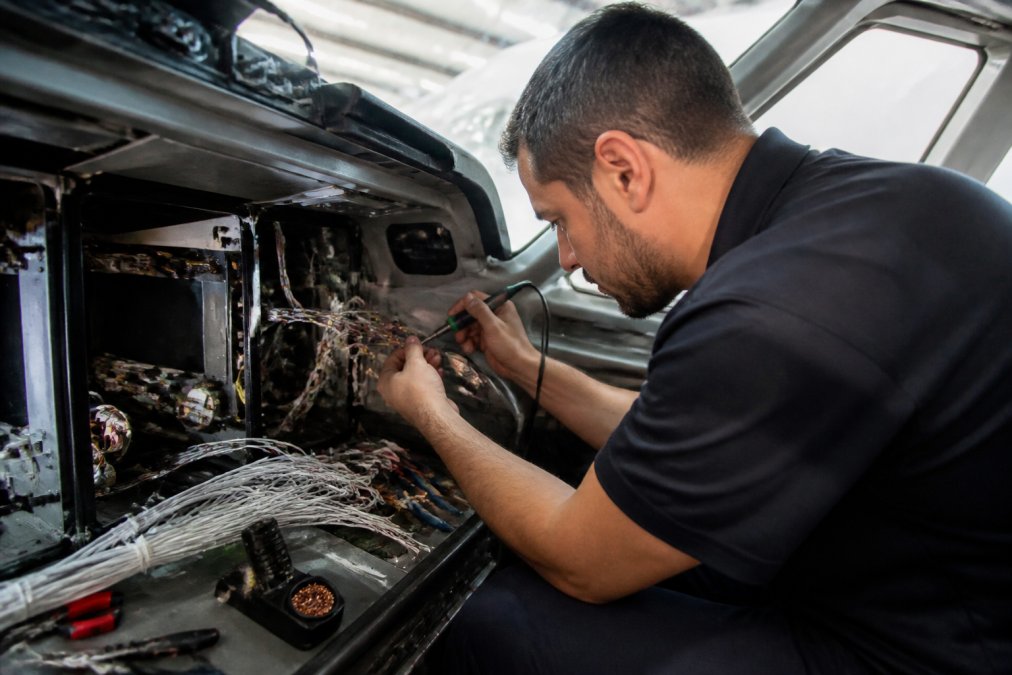
Labor-to-Equipment Cost Breakdown
For a typical avionics upgrade, labor often equals or exceeds equipment cost. On a $150,000 equipment retrofit, expect labor to add $40,000 to $80,000. On complex heavy jet installations, labor can double the equipment cost.
The labor breakdown typically includes:
- Panel removal and modification: 40 to 100 hours
- Wiring harness design and installation: 100 to 300 hours
- System integration and testing: 50 to 150 hours
- Certification and regulatory compliance: 20 to 80 hours
- Troubleshooting and final validation: 20 to 50 hours
Experienced shops specializing in specific aircraft types complete installations faster because they've solved the engineering problems before. A shop that has installed 50 G1000 NXi systems in Cessna 350s moves faster than one doing its first retrofit on that airframe.
Hourly rates range from $75 to $150 per hour, depending on shop location, technician certification level, and aircraft complexity. South Florida shops typically charge at the upper end; rural shops with lower overhead may charge less but often have longer lead times.
Downtime and Scheduling Impact
Downtime is a hidden cost owners frequently underestimate. While your aircraft is in the shop, it's not generating revenue or available for personal use.
A typical avionics upgrade takes 4 to 8 weeks from start to finish, including equipment delivery, installation, testing, and FAA certification. Complex heavy jet retrofits can stretch to 12 weeks or longer.
Many owners schedule upgrades during slower seasons or coordinate with other maintenance to minimize total downtime. Planning around your flying schedule is critical, unplanned extensions can cost thousands per day for charter operations.
Avionics Upgrade Resale Value Impact
Does upgrading avionics increase resale value? The answer is nuanced but positive.
Modern avionics increase buyer appeal significantly. An aircraft with current glass cockpit, reliable navigation systems, and ADS-B Out compliance sells faster and commands a premium compared to one with aging steam gauge or legacy systems. Buyers view modern avionics as a safety feature and marker of well-maintained equipment.
The resale value premium is typically 50 to 70 percent of the upgrade cost. If you spend $200,000 on a Garmin G1000 NXi retrofit, expect resale value to increase by roughly $100,000 to $140,000. This is meaningful recovery, though not dollar-for-dollar.
Recovery percentage varies based on aircraft type, installation quality, and systems chosen. Upgrades to popular systems like the Garmin G1000 NXi recover more value than niche or proprietary systems. Aircraft with large, active used markets see stronger resale recovery than rare airframes.
Certified avionics systems recover more resale value than experimental systems. Buyers trust FAA-certified equipment because it carries regulatory approval and clear maintenance paths.
Certified vs. Experimental Avionics: Cost Comparison
The choice between certified and experimental avionics is a cost decision with long-term implications.
Certified avionics have undergone FAA testing and approval. They carry official documentation, maintenance requirements, and regulatory blessing. Installation requires FAA-approved technicians and proper certification paperwork. The systems are proven, well-supported, and widely recognized.
Experimental avionics are less regulated and cost less upfront but come with limitations. Certified aircraft must use certified avionics. Experimental systems carry resale value penalties and may restrict where you can fly or what operations you can conduct.
For most owners of certified aircraft, certified avionics are the only legal option. For experimental aircraft, experimental avionics can cost 30 to 50 percent less than certified equivalents, though the trade-off includes reduced functionality, limited upgrade options, and resale value constraints.
Integration with Your Existing Instrument Panel
Panel integration is where avionics upgrades often encounter unexpected complexity and cost overruns.
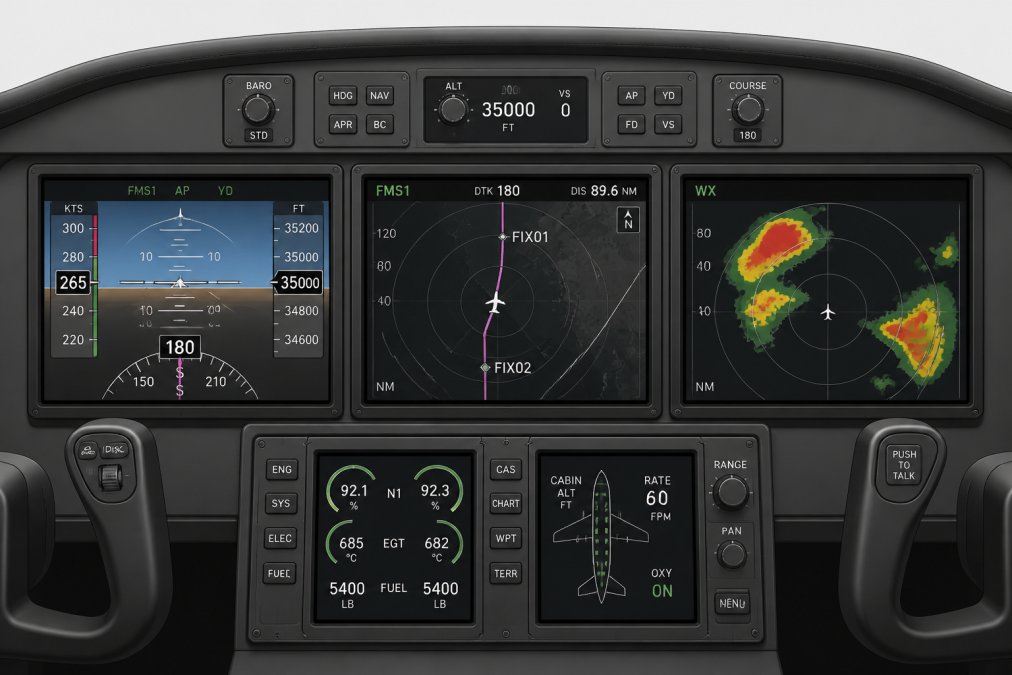
Your existing instrument panel was designed for current systems. Retrofitting new avionics means removing old equipment, modifying panel cutouts, reworking wiring harnesses, and integrating new systems with existing autopilot, engine monitoring, and cabin management equipment.
Some aircraft panels accept modern glass cockpits with minimal modification. Others are tight and complex, requiring extensive custom engineering. Panel layout, wiring routing, cooling requirements, and electrical system capacity all factor into integration difficulty.
Integration costs range from minimal ($5,000 to $15,000 for straightforward retrofits) to substantial ($30,000 to $60,000 for complex retrofits with panel redesign).
Get a detailed pre-retrofit assessment from the shop doing the work. A qualified avionics technician can review your aircraft's panel, existing systems, and electrical architecture and provide realistic cost and timeline estimates before you commit.
Future-Proofing Your Avionics for 2030 and Beyond
The regulatory environment continues evolving. Decisions you make today about avionics upgrades determine whether your aircraft stays current through 2030 or faces expensive re-upgrades in a few years.
Current mandates focus on ADS-B Out and Mode C transponder capability. Future mandates will likely require more sophisticated surveillance, communication, and automation capabilities. The FAA's NextGen initiative pushes toward Performance-Based Navigation (PBN), requiring more capable GPS and navigation systems than many current installations provide.
Aircraft equipped today with systems supporting software updates and upgrade pathways will adapt more easily to future requirements. Systems with fixed hardware and no upgrade path will eventually become obsolete.
When evaluating an avionics upgrade, ask about upgrade pathways. Can the system accept software updates? Can displays be upgraded? Can navigation systems be enhanced without replacing the entire suite? These questions matter when evaluating a multi-year investment.
The most future-proof approach is choosing systems from established manufacturers with long product roadmaps and active development. Garmin, Honeywell, and Collins Aerospace have committed to supporting their systems through regulatory changes.
| Avionics System | Equipment Cost Range | Labor Hours | Total Typical Cost | Resale Value Recovery | Best For |
|---|---|---|---|---|---|
| Garmin G1000 NXi | $100K-$250K | 200-400 | $150K-$350K | 50-70% | General aviation, mid-size jets |
| Honeywell Primus Elite PEEF | $400K-$600K | 300-500 | $550K-$850K | 60-75% | Large business jets, legacy CRT replacement |
| Collins Pro Line Fusion | $650K-$900K | 400-600 | $900K-$1.3M | 65-80% | Heavy jets, comprehensive modernization |
| Aspen Evolution MAX | $5K-$11K | 40-80 | $8K-$20K | 40-60% | Light general aviation, cost-conscious owners |
Avionics upgrades are significant investments that shape your aircraft's capability, compliance, and resale value for years to come. The cost breakdown, equipment, labor, integration, downtime, and regulatory compliance, varies dramatically based on aircraft type and systems chosen.
At 305 Sky, we guide owners through this decision with transparent analysis and realistic cost estimates. Our team can help you understand what your specific project will cost and how to structure the work to minimize downtime and maximize long-term value. Get a Quote from 305 Sky and let our experienced technicians provide a detailed assessment of your avionics upgrade path.
Frequently Asked Questions
How much does a full G1000 NXi avionics suite upgrade cost in 2026?
G1000 NXi costs vary significantly based on aircraft type, existing avionics stack, and integration requirements. Mid-size business jets typically see equipment costs between $400,000 and $650,000, with labor and installation adding another $100,000 to $200,000. Pricing depends on your specific aircraft model, panel configuration, and whether you're retrofitting legacy systems or upgrading existing glass. Contact 305 Sky for a detailed quote based on your aircraft's current avionics suite.
What factors contribute most to the total cost of an avionics upgrade cost?
Equipment represents 50-60% of total upgrade costs, while labor and installation account for 30-40%. Integration complexity, wiring harness replacement, and regulatory certification testing add significant expense. Aircraft downtime during installation, certification labor hours, and any legacy system removal also impact final pricing. Compliance with ADS-B Out and future IFR requirements can drive costs higher for aircraft that require substantial panel modifications.
How does an avionics upgrade affect the resale value of a private jet?
Modern avionics upgrades typically return 80-110% of their cost in hull value appreciation, making them one of the highest-ROI aircraft improvements. Buyers strongly prefer glass cockpits with integrated flight displays, certified autopilot systems, and current regulatory compliance. However, resale value gain depends on the upgrade quality, certification status, and whether the avionics suite matches buyer expectations for the aircraft class. Professional installation and full FAA documentation maximize resale impact.
Are there FAA mandates driving avionics upgrade costs this year?
The ADS-B Out mandate (2020) remains the primary regulatory driver, though most equipped aircraft have already complied. Looking ahead, future airspace modernization and potential GPS/WAAS reliability requirements may necessitate additional upgrades. Aircraft operating in controlled airspace or IFR conditions face the most pressure to maintain current avionics. Staying ahead of regulatory changes protects your aircraft value and operational flexibility.
This article was written using GrandRanker